
Finding Balance Between Paradigm Shifts
On 05 January 2020 by BrianWhat does a gaming retrospective look like when you’ve left the games industry?
I’ve been nursing this for a while. When I look at the year, things have changed so much outside of games. I’ve moved out, living on my own for the first time. But it’s not 100% true, because that also meant moving in with my girlfriend, and living with her for the first time. There was re-learning how to cook, how to cover the essentials to survive, providing for myself and for both us, that consumed the entire month of April. Add in that I’d never been away from family for more than a week, and all these stress points I’d never felt before ravaged my attempts to settle in to a new life. It was a paradigm shift in a few weeks of time, and however much I’d prepared mentally for it, I still struggled.
There’s the new job, where my technical expertise is tested on a scale well beyond where I was. But the new job was as far outside of the realm of the games industry as I could be. When you’re working in games, it tends to become your identity. The industry is so insular, so that when you’re hanging out with coworkers, you’re talking about the games you’re playing. And because the industry demands so much of your time, you go through a lot of shit together, often without resources and in spite of poor decisions. A lot of my friendships started because I was the IT guy, and I had a genuine desire to help and get to know people. The old job became my primary social circle, and so leaving meant my friends were going to be further, a little harder to stay in touch. I said from the beginning that I’d make time to see people and stay active online, but that was always going to be a challenge, especially when I’m not the type to start group conversations, and much more of a one-on-one texter.
In most circumstances though, I could always rely on playing games to help me bring some peace and joy to everyday life. Unfortunately, these changes pushed me so far out of my routine that for an entire month, I didn’t play any games. Something that was the cornerstone of my self-care became the bottom of a list of things I needed to do and figure out before I could conceivably have fun. I would feel guilty just thinking about playing, when I felt like I should be researching the furniture that we still needed to get, managing my finances, or figuring out recipes so that we would have good food to eat the next day. If I had time to play games, I had time to make sure life was in order, because in those moments, I only felt chaos.
Did my relationship with games change at all?
The social aspect of it has definitely been hampered. I don’t get to go in every morning and talk to my friends and colleagues about what I’m playing. I don’t get word of mouth recommendations from everyday conversation anymore, and my discovery of games is limited to short IM conversations with friends and podcast discussions. Even when I do talk to people at the new job about games, it’s suddenly on a periphery I’ve never been on. To be crass, my new friends might play games but they’re on the other side of the industry – they know Call of Duty, they know Nintendo, they talk about how much their kids play Fortnite. They don’t know Twitch, they don’t know localization, they don’t talk about motion matching animation. And that’s not to say they’re somehow lesser-than; it’s just a different perspective, a different conversation, but frankly one I still don’t know how to navigate.
When I look at the games I played this year, then, it feels like they were all safe bets, as far as my tastes are concerned. I put time into whatever Platinum Games put out. If Waypoint talked about it in some transcendent way, then I’d consider it. Sequels to games I already loved made the list.
I thought that leaving the industry might mean finally making time for the games my friends worked on, but that didn’t happen, and there’s still a conflicting wrench in my heart when I think about those games. Sorry, Friends, I’m not sure when I’ll get over that feeling. When I pick up the games, I think about the work I left incomplete, the struggles that came with getting the game out the door, and some unfounded guilt over not being there to help, and suddenly the few ounces of plastic and aluminum weigh more like a ton.
So, what did I play?
I’ll start with the top ones, and then offer my quick thoughts on the rest.
SteamWorld Quest: Hand of Gilgamech
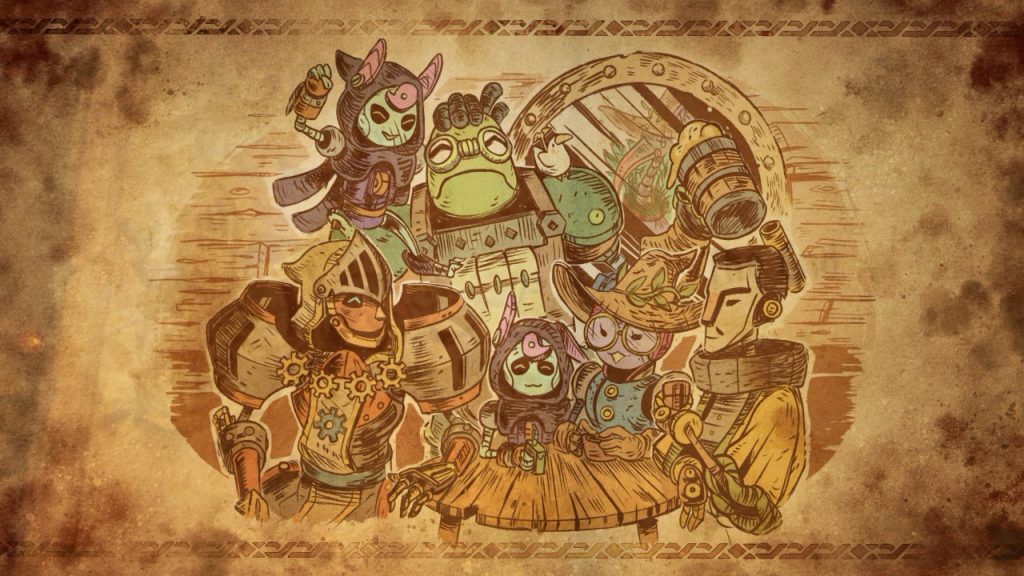
SteamWorld Quest definitely fits that safe bet description. Image & Form remains one of my favorite developers, and learning that they were once again making a departure from their mainline design in the franchise (metroidvanias) only made me more excited. Add on the fact that they pivoted to one of my other favorite designs, constructed-deck card RPG, and this was pretty much tailored perfectly to my tastes.
In that case, then, is it a boring pick to make? Before I picked this up, I had already gone that month without touching any games. My new situation ate up all my time and even when I did think of games, the jaded feelings I harbored also kept me away. The last games I had played before moving were Moonlighter and Momodora, both of which I didn’t find particularly fun, even though I was excited to try them. By the time I got around to wanting to play games again, I picked up Sekiro and Tetris Effect, and bounced off them too. I started to wonder if something had really broken with my ability to enjoy games when I made my decision to leave.
SteamWorld Quest helped me recenter that relationship a little. Video games are a hard business, and part of that means taking risks are a hard sell. I have the utmost respect for Image & Form for their constant exploration of design. This game could’ve been janky and I would’ve been happy, but instead they made the card system a fun risk-reward decision each turn, and made bosses that would force me to change my deck archetype in order to defeat them, in turn giving me a new strategy to try moving forward. That the game was competent, clean and good is further testament to Image & Form. The story was simple, charming and enough about reclaiming identity that I resonated with it.
I’m happy to include SteamWorld Quest as one of my favorite games of the year, not just because it was fun as hell, but because it reminded me how to have fun with games.
Sayonara Wild Hearts
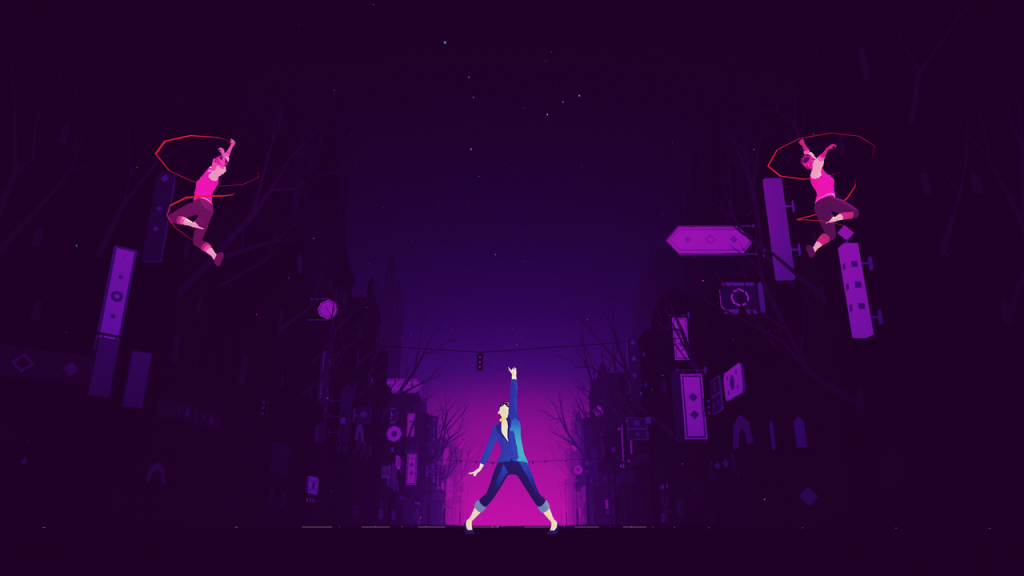
Sayonara Wild Hearts wasn’t on my radar until Waypoint talked about it. I’m a sucker for games that are described as Rez-adjacent, and so that was enough of a consideration. If you look up the game, you’ll find plenty of discussion of what makes the game fun, how the music and the gameplay twist together into a beautiful experience. Simogo, the developers, have posted on their blog plenty of beautiful behind-the-scenes details on their 4 year journey developing the game. It’s fun and dynamic enough that I’ve made 6 people play it and in each case it was a different experience.
That said, the main impetus that pushed me towards checking out Sayonara Wild Hearts was hearing that the controls were simple. Just movement, and one button. Earlier this year, my girlfriend was diagnosed with De Quervain’s tenosynovitis in both her hands, a swelling of the tendons connecting to the thumb. The pain was enough that she couldn’t work, let alone play games. If you can consider what hands mean to us in daily life, you can imagine what kind of life adjustments we’ve had to make to ensure that she can heal properly, because every expert and every doctor said the same thing: de Quervain’s takes time, there is no other way to heal it.
So, along comes a game with an aesthetic that I am certain she’ll love, and controls that wouldn’t put too much strain on her hands, especially if we pass the controller between levels. We also used my arcade stick for ergonomics, which honestly made it harder to control, but it’d be worth it considering up to that point there was no way for her to play without discomfort. Despite all the setup though, the game immediately hooked us and the music was even better than that. Despite the game coming out in October, the soundtrack reached the top of my plays on Spotify for the year. It’s a bit cheating because of how short the story is, but Sayonara Wild Hearts was the only game I played more than once this year.
Just like Hollow Knight and Nier Automata before it, Sayonara Wild Hearts is my favorite game of the year, because I was in tears by the end. Even better than that, though, was being able to share the experience and reconnect with friends after having dealt with all those months apart.
The Rest
So, from here I’ll list the other games I played this year. First, the ones I have opinions to discuss, the rest of them, I probably just didn’t play enough to come up with an opinion.
AFK Arena – My current mobile game of choice. After dropping Fire Emblem Heroes over a year ago, I started this up because it was relatively mindless, and my girlfriend and I could be in the same guild. We were only going to play for a month because we had other stuff we were looking forward to, but instead we’re still on this. Our guild is also super chill and we were lucky to find them. Go Mint!
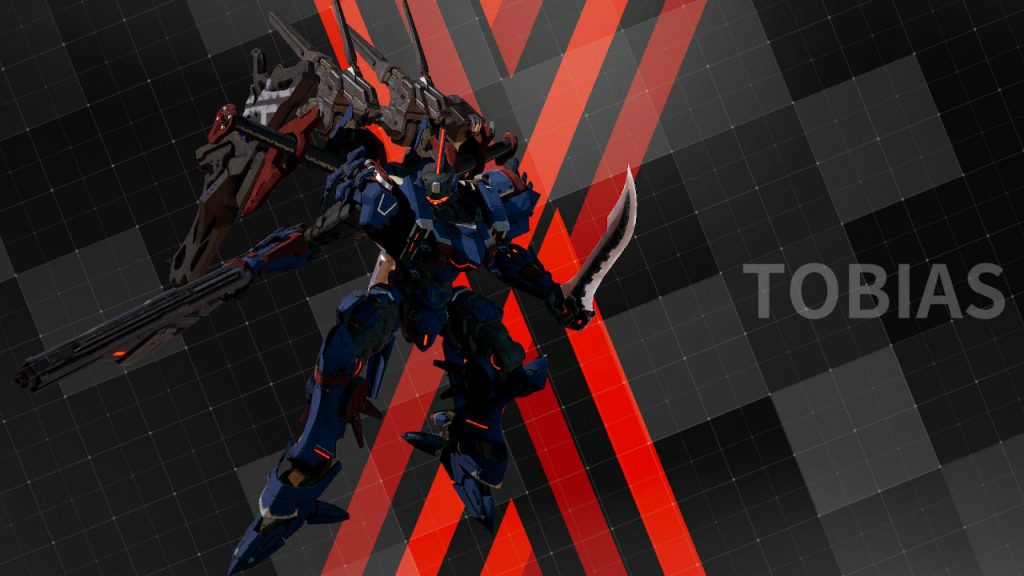
Daemon X Machina – Was looking forward to this. Guns Empress is awesome, but the rest of the story was too scant to enjoy. Typical exposition dump at the end, and all the consequences of your actions only come in the form of email replies after missions, without any impact on the gameplay sequences or visuals. Mechs are still awesome though, and I want a dang kit.
Astral Chain – Platinum as hell, and way too long. I liked the combat but the game itself overstayed its welcome and the story was also too cliche. I can handle predictable storytelling, even SteamWorld Quest is predictable, but the characters and writing had charm. Astral Chain did not.
Borderlands 3 – More of the same, which is exactly what I wanted. Thanks Jake!
Final Fantasy XII – I think I tried too hard to go suboptimal on my job selection, because the game felt really awkward when I started the game with zero healing or magic. I might go back to it at some point and just do an optimal playthrough because the story was intriguing. I’m glad I fulfilled my promise to Elwood though!
Control – This game was great. It didn’t reach the top of my list because the checkpointing and load times really interrupted the game flow, and some of the boss fights had OTK situations that exacerbated the bad checkpoints and load times. Besides that though, I loved every part of the game, and am eagerly awaiting the Alan Wake tie-in!
Sekiro – After being told that Souls was my kind of game many times, and trying and failing to enjoy Bloodborne, I warily picked up Sekiro because I thought it might be streamlined enough that I would enjoy it. Seeing all the awesome gifs and clips helped too, but in the end, I couldn’t find the balance between getting better and getting help, and instead it left me frustrated most of the time.
Titanfall 2 – Thank you PS Plus for pushing me to play this, and sorry Respawn for taking so long to get to it, because it was definitely worth it for the campaign. It is pretty easy to see how this game inspired and informed so many mechanics and games that followed.
Honorable Mentions:
- Wargroove
- Moonlighter
- Momodora
- Tetris Effect
- Apex Legends
- Marvel Ultimate Alliance 3
- Transmission
- Creature in the Well
- Untitled Goose Game
- Solitairica
- Exapunks
- Pokemon Sword/Shield
Final Thoughts
I often tell people that video games is a black box industry. You get the final product, the game that you play, but the inner workings, the labor, the process is all obfuscated. What people do to get a game out the door is a mystery to the average person, and even worse, still a mystery to passionate fans and people who make gaming a large part of their life. Once you’ve stepped into the industry though, that box is gone, and all the machinations involved exposes equal parts amazement and frustration. I will always be in awe of the sheer amount of work that goes in to making games, and I will respect the labor that it demands. I will also say plainly that the labor is exploited, that the work is unappreciated, and that the lack of transparency only divides the in-crowd of industry folk and the out-crowd of the consumer/fan/gamer. Being on the outside means that I now get to inform people of my friends’ efforts to make games, and lift the curtains little by little, but it equally reinforces my jaded attitude.
In the end, yes, my relationship with games has changed. Looking forward to 2020, I actually can’t really think of too many games that I’m excited for. There are games I’m interested in playing, of course, but my hype is assuredly tempered by the understanding that the games themselves will likely be the byproducts of the tension between the corporate mandates and the underappreciated labor in service of them. I’ll want to support the work, but that doesn’t mean that those efforts will make in the final print.
I recognize now that games isn’t just about the act of play for me. Context is everything. Is it a game that I’m sharing with my friends, my family? Is it a game that I’m excited because I know who worked on it? What’s going on in my life when I’m playing the game? When I was in the industry, when I was living at home, the context mattered a little less, because every time I went to work I touched this aspect of my life. Now that my touchstones are farther away, the context is magnified, because that’s my way of keeping in touch with my past, my identity.
How can I reconcile my passion for games, my appreciation of the work that’s put into them, my frustration of the unbalanced power dynamic between the decision makers and the workers that make the impossible happen? How do I curb my cynicism, and affirm that the work is valid in spite of those issues? When we revisit 2020, hopefully I’ll have more of an answer for you.